RECOCAPS
REGENERATIVE COOPERATION FROM FARM TO FORK: CAPASITY ASSESSMENT AND AGROECOLOGY PRACTİCES
2026-2030
The aim of this project is to exemplify and disseminate regenerative, protective, and sustainable agricultural production; and to support the ecosystem, farmers, and businesses by providing economic, ecological, and socio-cultural improvement.
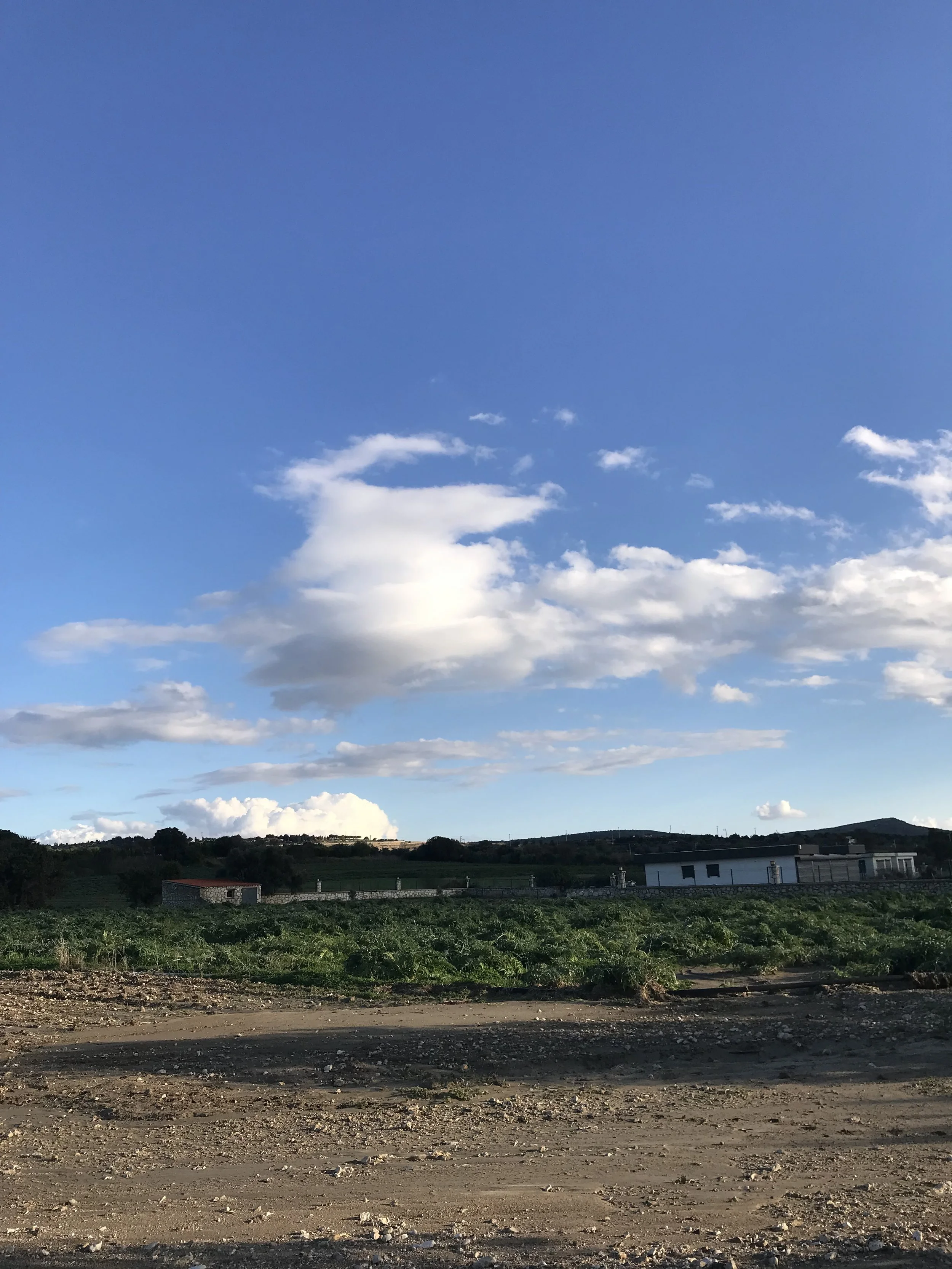
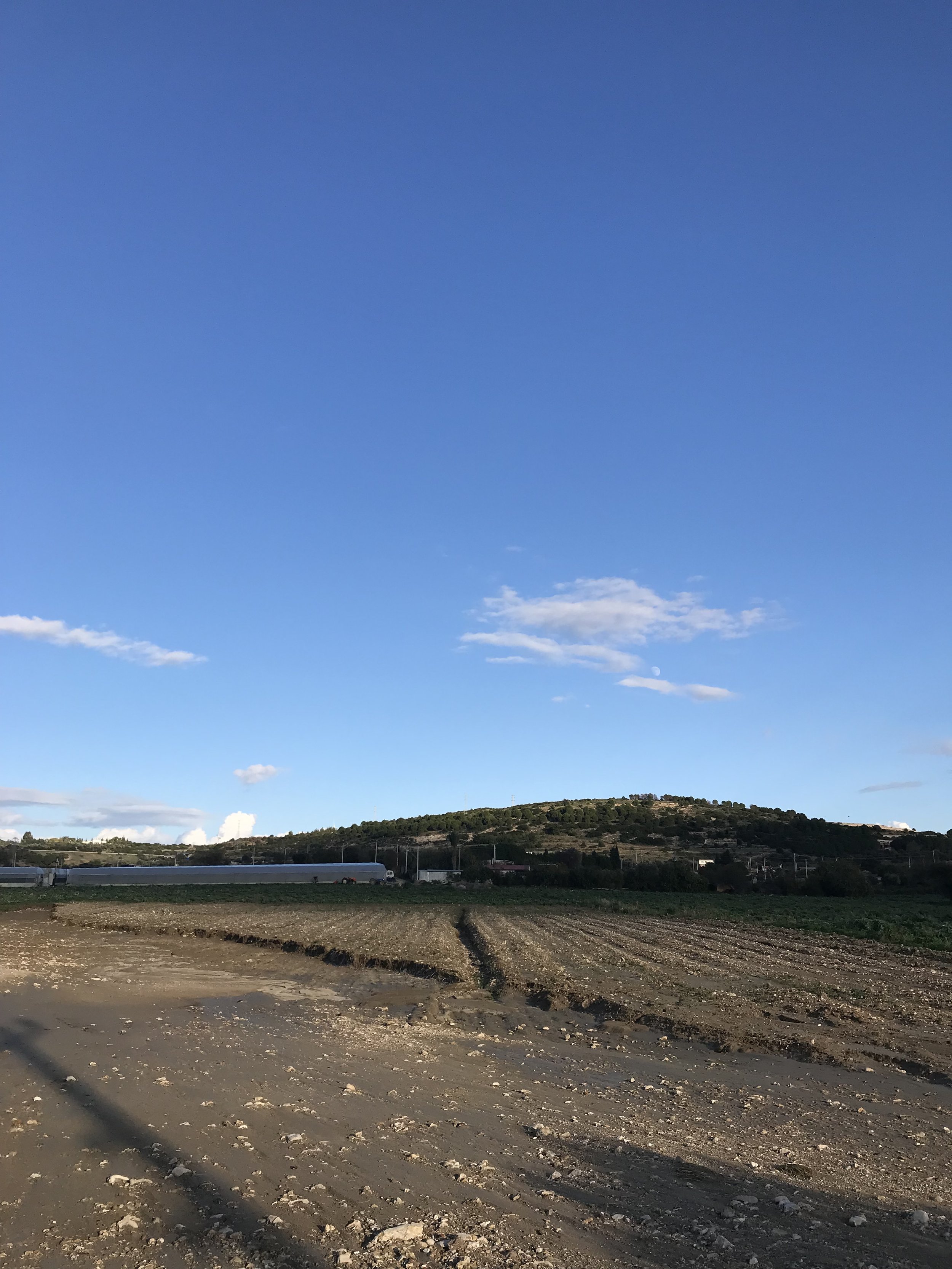
Plants are not strong enough in lifeless soil;
Vulnerable to diseases and pests
Non-healing foods
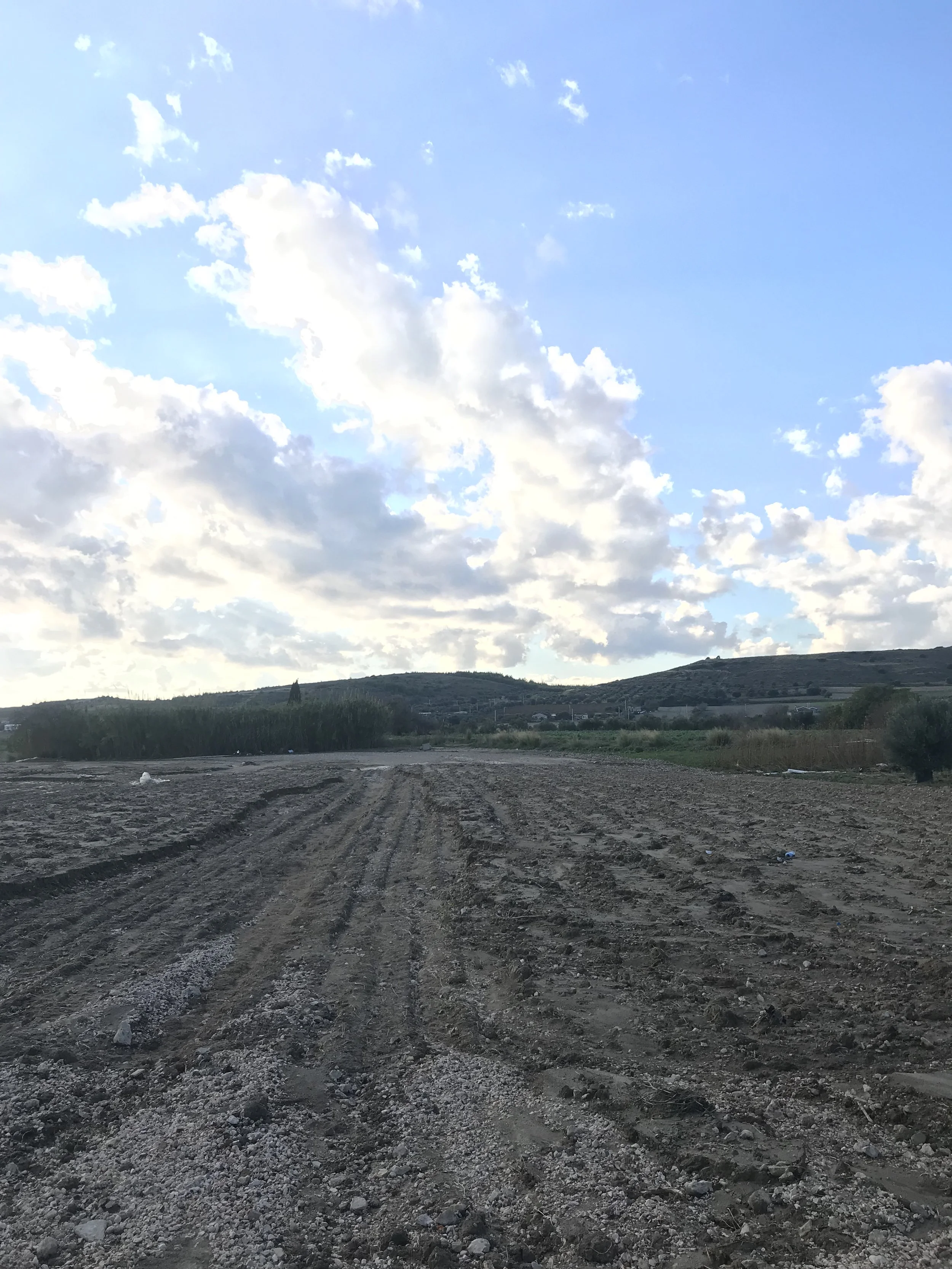
Erosion damage caused by excessive rainfall
Labor and material loss
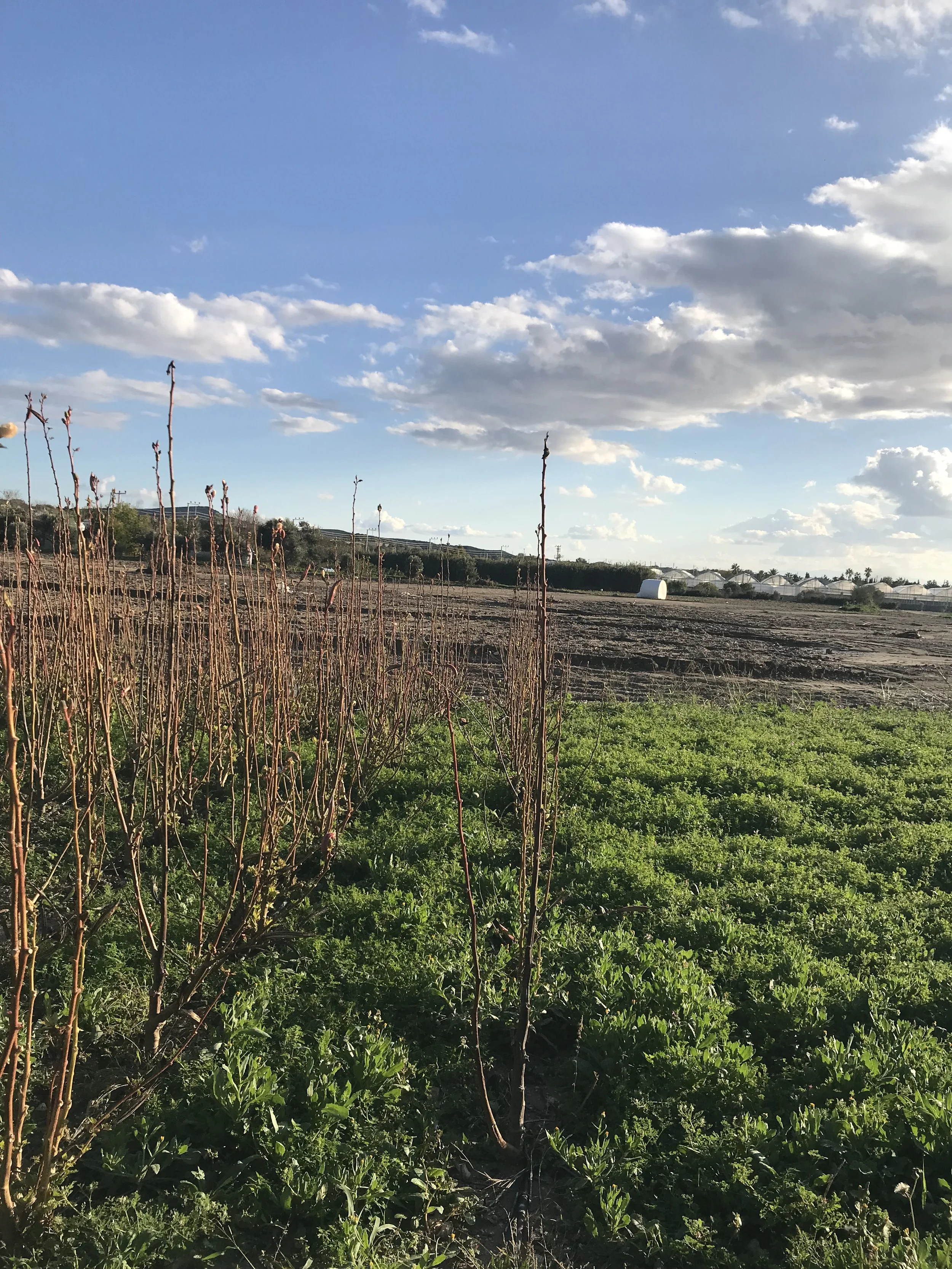
Industrial agriculture relies heavily on chemical use and leads to serious environmental problems such as soil erosion and water pollution. These problems, lined up like links in a chain, highlight the need for a holistic approach to the systems. Today, we are experiencing the serious negative effects of practices we once considered correct but were actually wrong, in a vicious cycle, and we need rapid, economical, ecological, and sustainable solutions. The widespread use of the concept of sustainability in all areas stems from the search for solutions to systems that are not functioning properly.
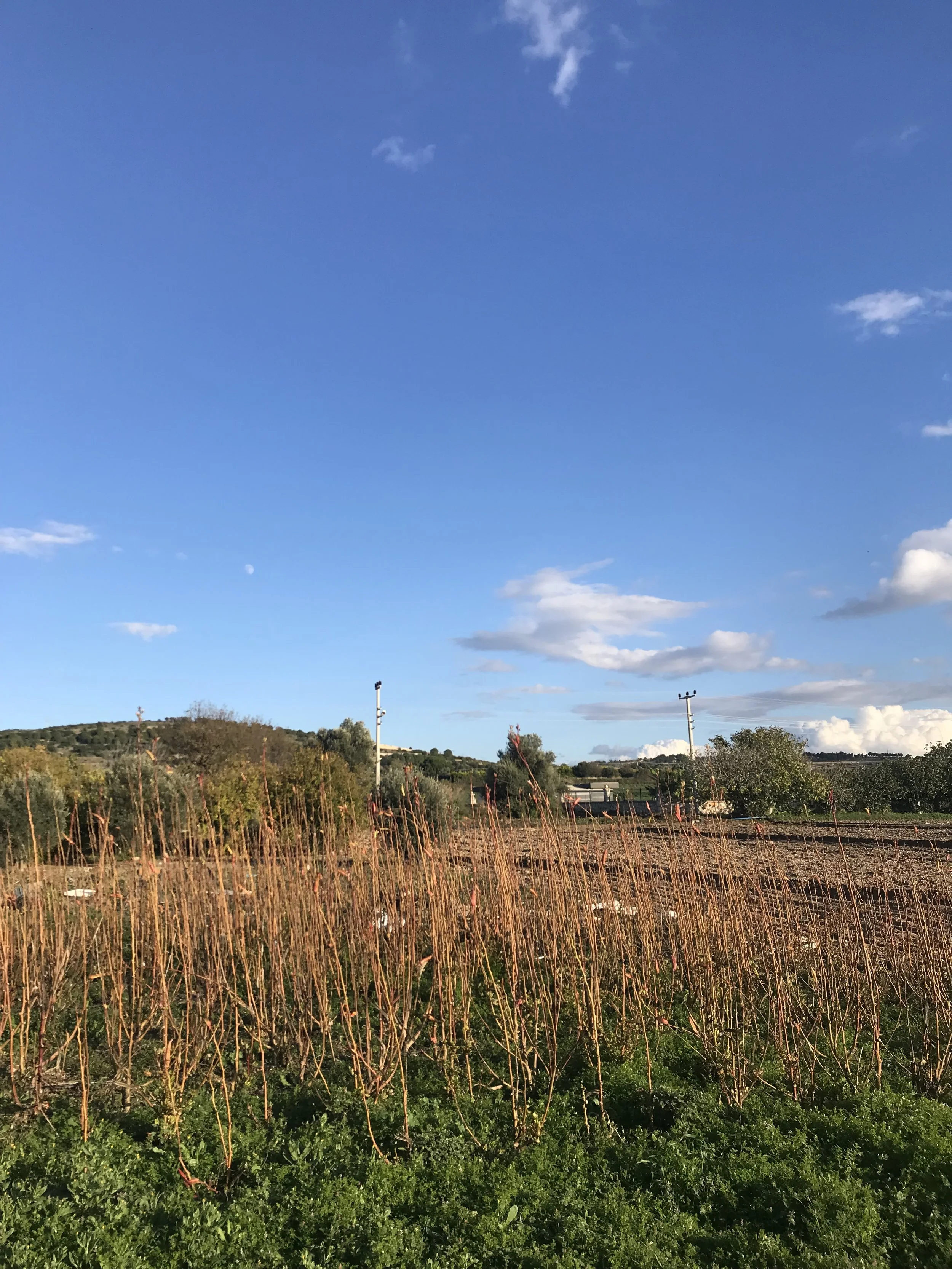
Resistant to diseases and pests
Contain nutrients with healing properties
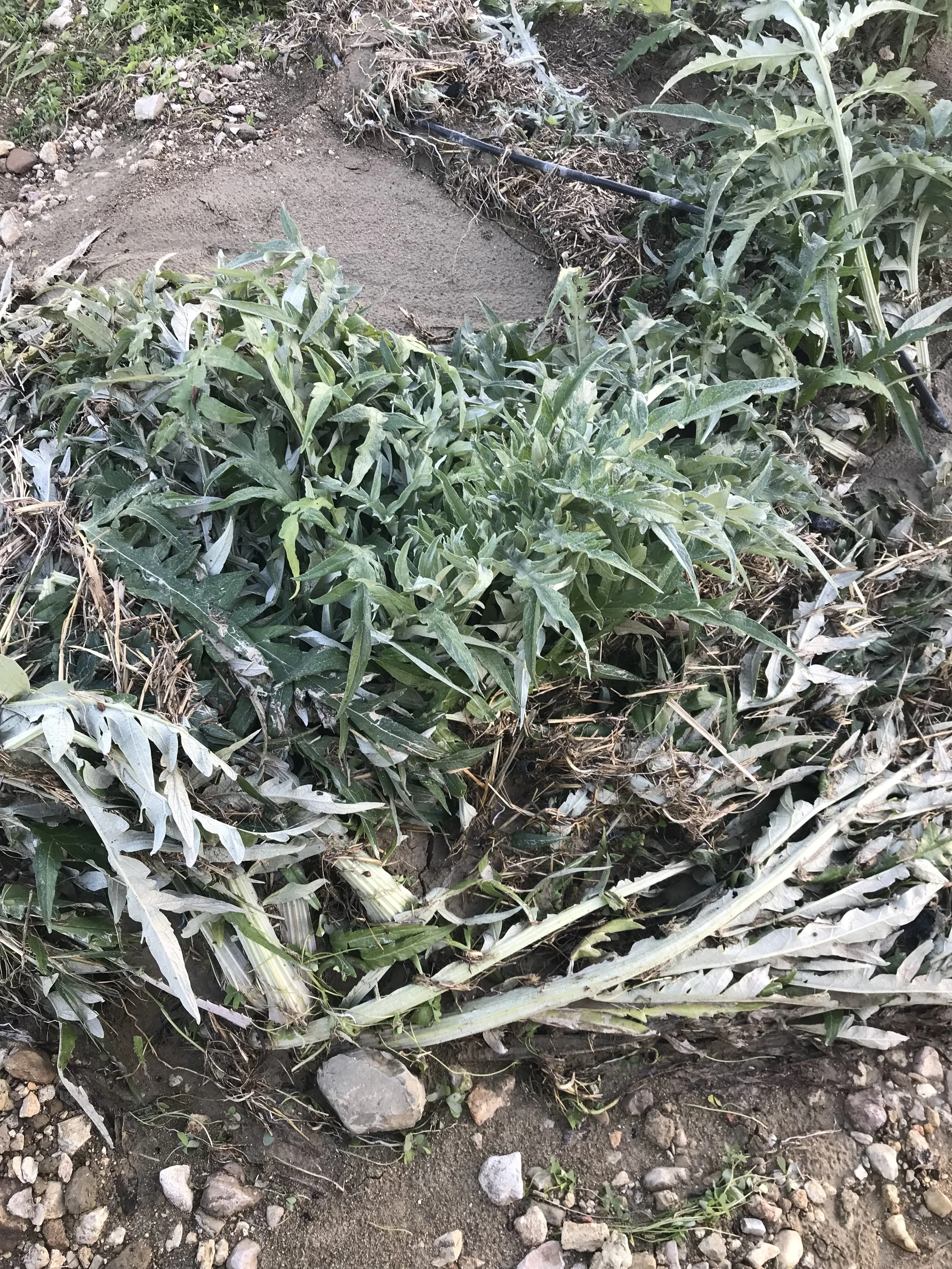
Erosion-resistant, dynamic soil and strong roots
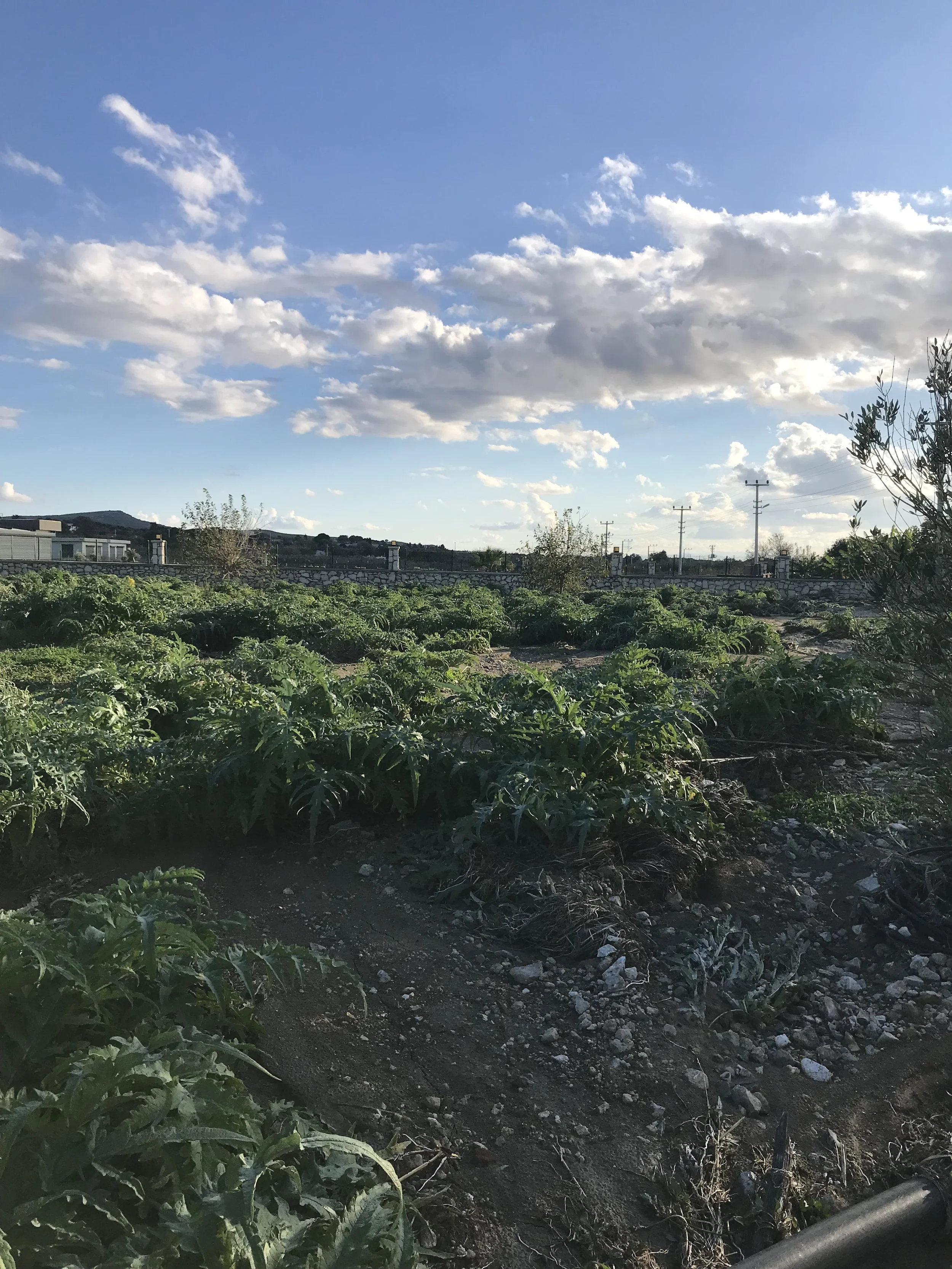
Yield, quality, healthy foods
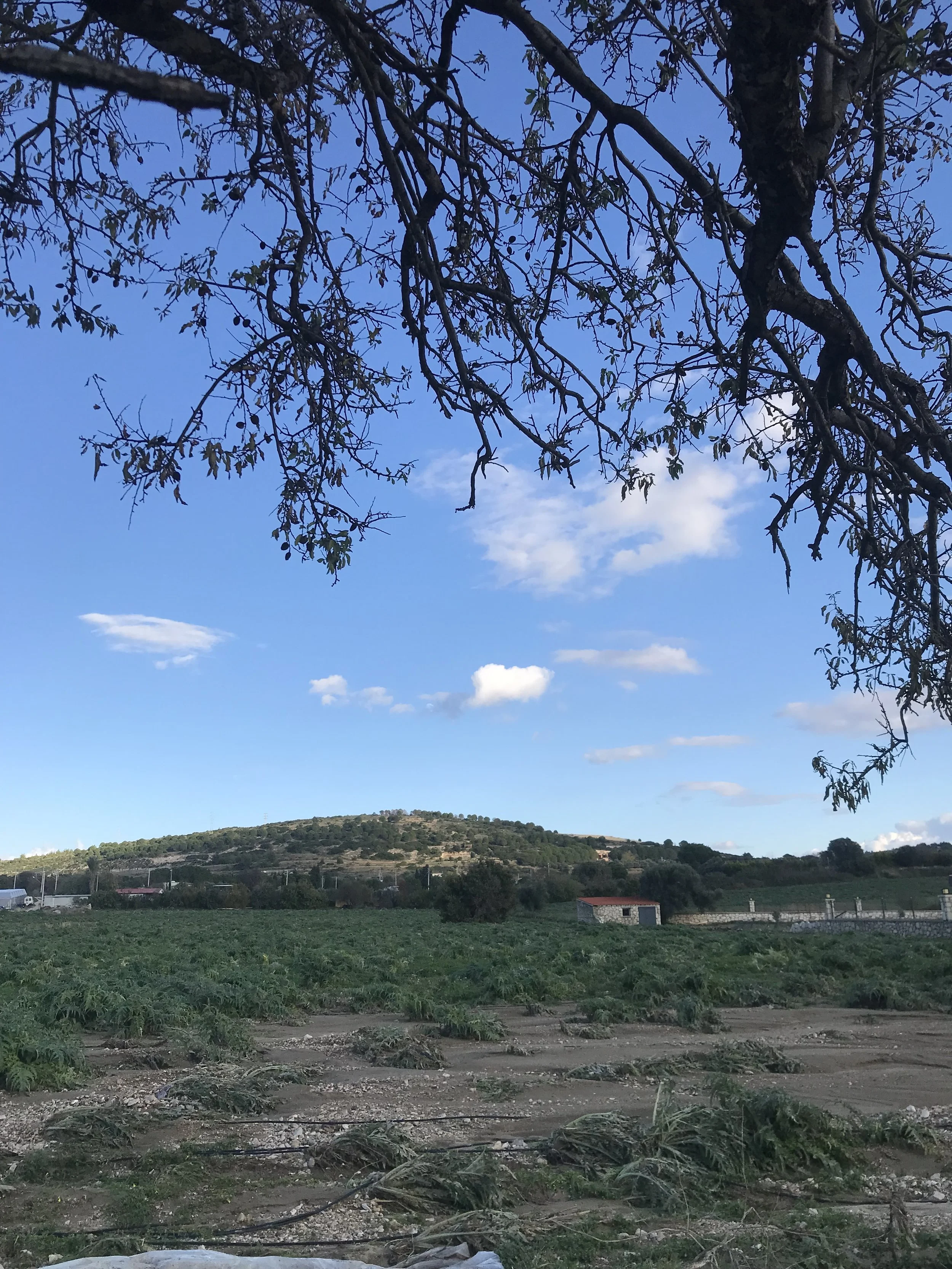
Regenerative agriculture aims to restore the health of the damaged soil, biodiversity, and ecosystem for sustainability. Regenerative agriculture revitalizes the soil; increases its water retention capacity, supports microorganisms, and raises carbon levels. It ensures sustainable food production; and creates more resilient and healthy ecosystems. Chemical use is reduced, external interventions in the soil and the need for chemical fertilizers are minimized. Disaster-resistant systems are created; systems that are resilient to environmental risks such as drought, heat waves, and floods.